Amar Equipment’s pressure reactors and pressure reactor auxiliaries are precision-engineered systems designed for conducting chemical reactions under elevated pressure and temperature conditions. Built for laboratory, pilot, and production-scale applications, these reactors enable reliable process development, catalyst testing, and reaction scale-up. Manufactured using corrosion-resistant materials and compliant with international standards, Amar pressure reactors integrate advanced agitation, heating, cooling, and safety systems—delivering precise control, operational safety, and dependable performance across chemical, pharmaceutical, petrochemical, and specialty chemical industries.
Pressure reactors are specialized high-strength reaction vessels designed to perform chemical reactions under elevated pressure and temperature conditions. These reactors are widely used when reactions involve gases, volatile solvents, or multiphase systems where conventional atmospheric reactors are not suitable.
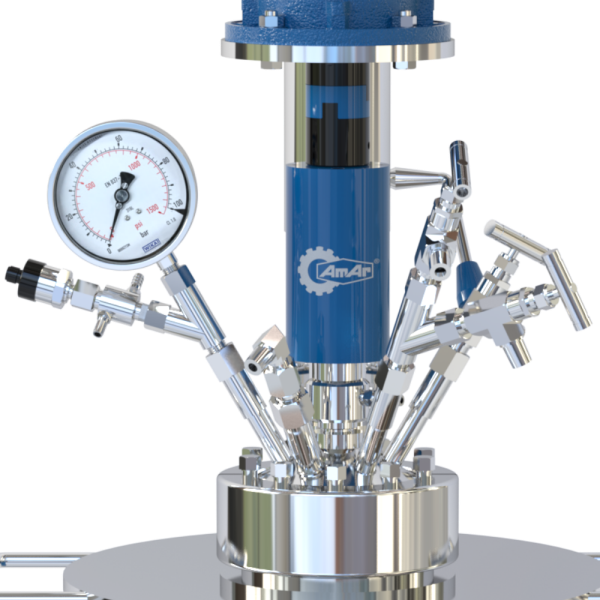
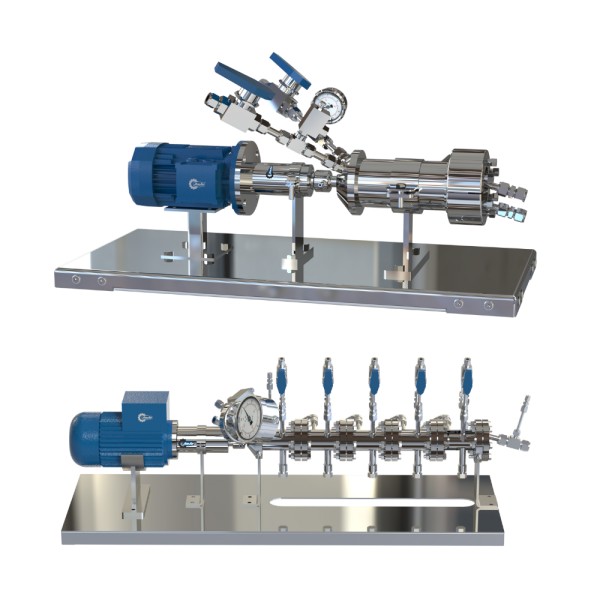
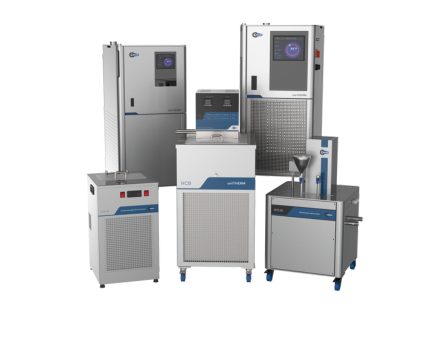
Pressure reactor auxiliaries refer to the supporting equipment that enables safe and controlled reactor operation. These include magnetic drive agitators, heating and cooling systems, pressure monitoring devices, gas feed lines, sampling valves, and safety instrumentation.
Together, pressure reactors and their auxiliaries create an integrated system that ensures precise control of pressure, temperature, agitation, and reaction kinetics in laboratory pressure reactor setups, pilot-scale reactors, and industrial pressure reactor systems used for chemical research and process development.
Pressure reactors are used for a wide range of chemical reactions that require controlled high-pressure and high-temperature conditions. These reactors are particularly valuable for gas–liquid and multiphase catalytic reactionswhere efficient mixing and pressure control are essential.
Typical reactions performed in pressure reactors include:
Pressure reactors are therefore essential equipment in chemical R&D laboratories, pilot plants, and industrial process development facilities.
Modern laboratory pressure reactors and high pressure lab reactors are engineered to operate under demanding process conditions commonly encountered in chemical and pharmaceutical research.
Typical design capabilities include:
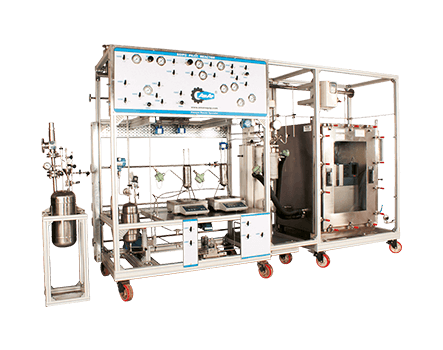
These systems can be configured as laboratory pressure reactors, high pressure lab reactors, or pilot-scale pressure reactors, depending on the application. Custom pressure reactors can also be designed for specialized requirements including higher pressure ratings, advanced automation, and integrated process control systems.
The material of construction (MOC) of pressure reactors plays a critical role in ensuring corrosion resistance, chemical compatibility, and long operational life.
Common materials used for pressure reactors include:
These materials are selected based on the reaction chemistry, temperature and pressure requirements, and corrosion resistance needed for aggressive chemical environments. High-performance materials ensure that both laboratory pressure reactors and industrial pressure reactors can safely operate under extreme process conditions.
A high pressure glass reactor combines a borosilicate glass reaction vessel with a stainless steel or alloy pressure containment system, providing both mechanical strength and visual transparency.
High pressure glass reactors are widely used in research laboratories and process development labs because they allow direct visual observation of reaction progress, phase behavior, and mixing during high-pressure reactions.
Typical applications of a high pressure glass reactor include:
Because of the chemical inertness of glass-wetted surfaces, high pressure glass reactors are especially useful for reactions involving sensitive chemicals where contamination must be minimized.
High pressure lab reactors, also known as laboratory pressure reactors, are compact reactor systems designed for controlled chemical experiments in research and development laboratories.
These reactors are commonly used for:
A typical high pressure lab reactor includes features such as magnetic drive stirrers, digital pressure and temperature controllers, automated data logging, and integrated safety systems, enabling safe and reproducible experiments under elevated pressure and temperature conditions.
Magnetic drive agitators are commonly used in pressure reactors and laboratory pressure reactors because they eliminate the need for traditional mechanical shaft seals.
Instead of direct shaft penetration through the reactor head, torque is transmitted through magnetic coupling between external and internal rotors. This design offers several advantages:
Magnetic drive systems are therefore widely used in high pressure lab reactors and industrial pressure reactors where containment, safety, and reliability are critical.
Pressure reactors, high pressure lab reactors, and laboratory pressure reactors are widely used across industries where chemical reactions occur under elevated pressure and temperature conditions.
Major industries using pressure reactors include:
These pressure reactors enable researchers and engineers to safely develop chemical processes, optimize reaction conditions, and scale reactions from laboratory pressure reactor experiments to pilot plant and industrial production systems.